SUNBEAm
Solid Propellant Spaceshot Vehicle
Overview
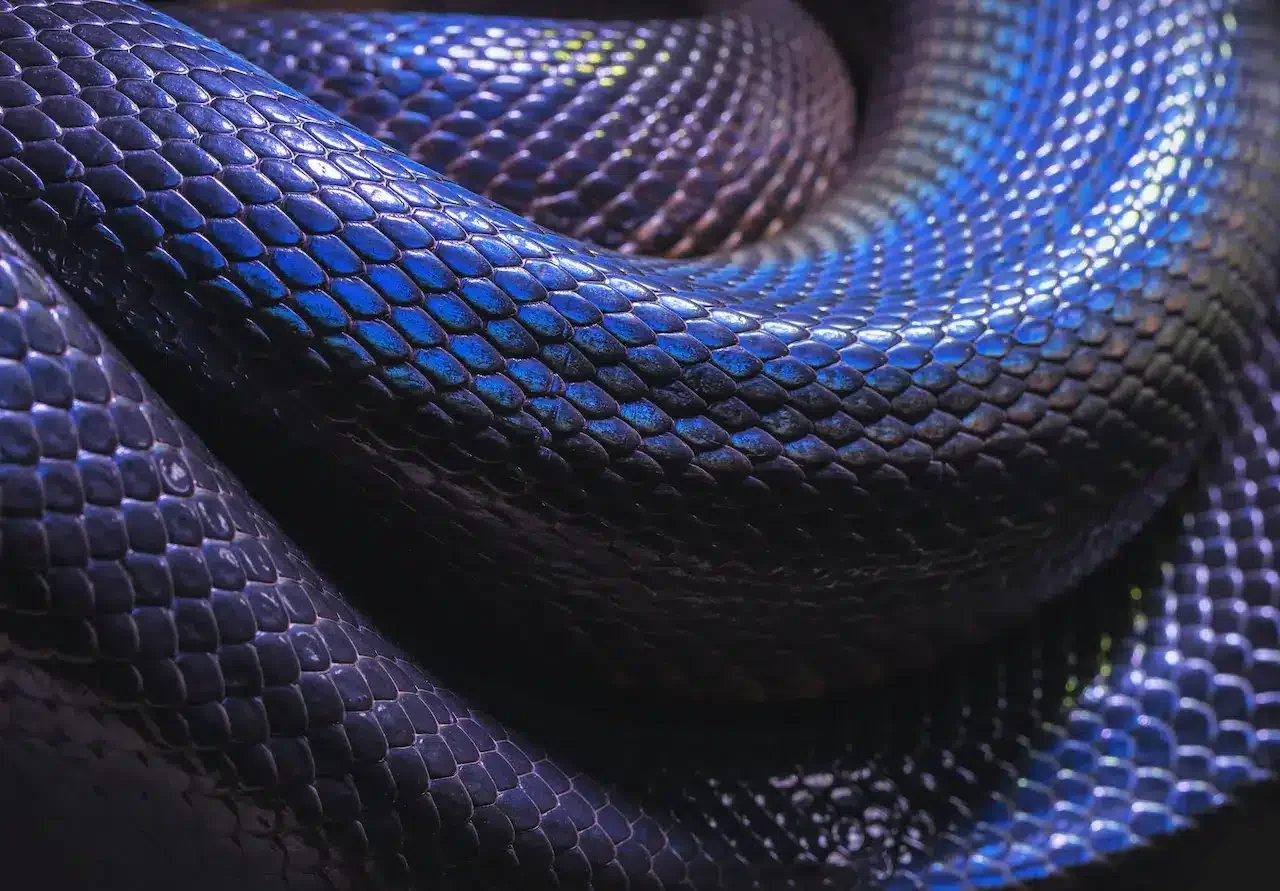
Named after the sunbeam snake, recognized for its iridescent, prismatic scales, Sunbeam reflects nearly 7 years of experimental rocketry development within SRL.
Sunbeam is SRL’s first attempt at a spaceshot, aiming to be the second student rocketry organization in the world to reach space.
Mission Objectives:
Composite R-impulse class solid rocket motor
350,000+ ft apogee
Experimental payload capacity
Avionics
Designs and builds three onboard systems for the vehicle.
Phoenix: Custom flight computer. Gathers data, stores it locally, and communicates with mission operators.
WALRUS: Live video downlink at 1080p/30fps.
Lighthouse: RF ranging and direction finding.
Composites
Designs, manufactures, and tests the majority of Sunbeam's primary structure, including its carbon fiber motor casing, aramid/phenolic motor insulation, fiberglass airframe, fins, and nosecone thermal protection system. Building on the architecture proven through the Mamba program, the team is scaling these systems to withstand the extreme structural loads, internal motor conditions, and hypersonic environment of a 350,000+ ft spaceshot. Through structural and thermal analysis, material testing, and in-house manufacturing, Composites works alongside Vehicle and Propulsion to ensure Sunbeam's structures can survive the mission from ignition through flight.
Solid Propulsion
Designs, analyzes, manufactures, and tests the solid rocket motor that will propel Sunbeam past the Kármán line. The team owns every step of the engineering lifecycle in the motor's development, from design through testing. Propulsion works closely with Composites, who design and wind the pressure vessel for the motor, and Vehicle, who need thrust data as an input to the trajectory simulation. Through thermal, structural, and ballistics analysis, the team ensures the motor will not only survive but provide enough total impulse for the launch vehicle to reach space.
Vehicle Design
Tackles the challenges associated with achieving stable, predictable, and reliable launch, flight, and recovery of the Sunbeam vehicle. The team builds upon the architecture and flight heritage established by the Mamba program to ensure Sunbeam is capable of surpassing the Kármán line and meeting established mission requirements. Vehicle also assists with Sunbeam test operations, including management of necessary ground support equipment, verification of recovery systems, checklist and procedure preparation, and post-test data review. The team collaborates closely with Composites, Propulsion, and Avionics to ensure Sunbeam performs nominally during all flight regimes.